Water-Wise Gardening
Water conservation has become an increasingly important topic in the gardening world. As we think more intentionally about how to be good stewards of the environment and use our resources wisely, water is often one of the first things to consider. Gardening offers countless environmental benefits — from supporting biodiversity and improving soil and water quality to purifying the air and reducing noise. However, gardens and landscapes can also be significant water users.
Water-wise gardening is about much more than cutting back during times of drought. Thoughtful watering practices not only support the environment, but can also lower your water bill, reduce garden maintenance, and lead to healthier plants overall. Below are a few practical ideas you can try this year to decrease water use, improve plant health, and stay prepared if water restrictions are put in place during dry periods.
Side note: One area of huge importance is plant choice, which I'll be addressing in my next blog — stay tuned! Click here to read

Strengthening Plants from the Start
Kelp
Kelp products, such as Kelp Boost, offer multiple benefits and help plants withstand periods of drought in several unique ways. Kelp encourages strong root development, allowing plants to access moisture deeper in the soil during dry conditions. It also helps plants maintain turgor when water pressure is low and stimulates antioxidant production, which helps protect plant cells from damage in times of low moisture. Compounds in kelp can even improve the soil’s ability to retain water while also providing food for beneficial soil microbes.
Liquid kelp is best applied early in the season, before stress occurs. You can apply it as a spray to the leaves in the morning when the stomata are the most receptive, as a root soak in a diluted solution, or as a soil drench around the root zone. Kelp meal or powder can also be mixed into the soil at planting time.
Compost & Mulch
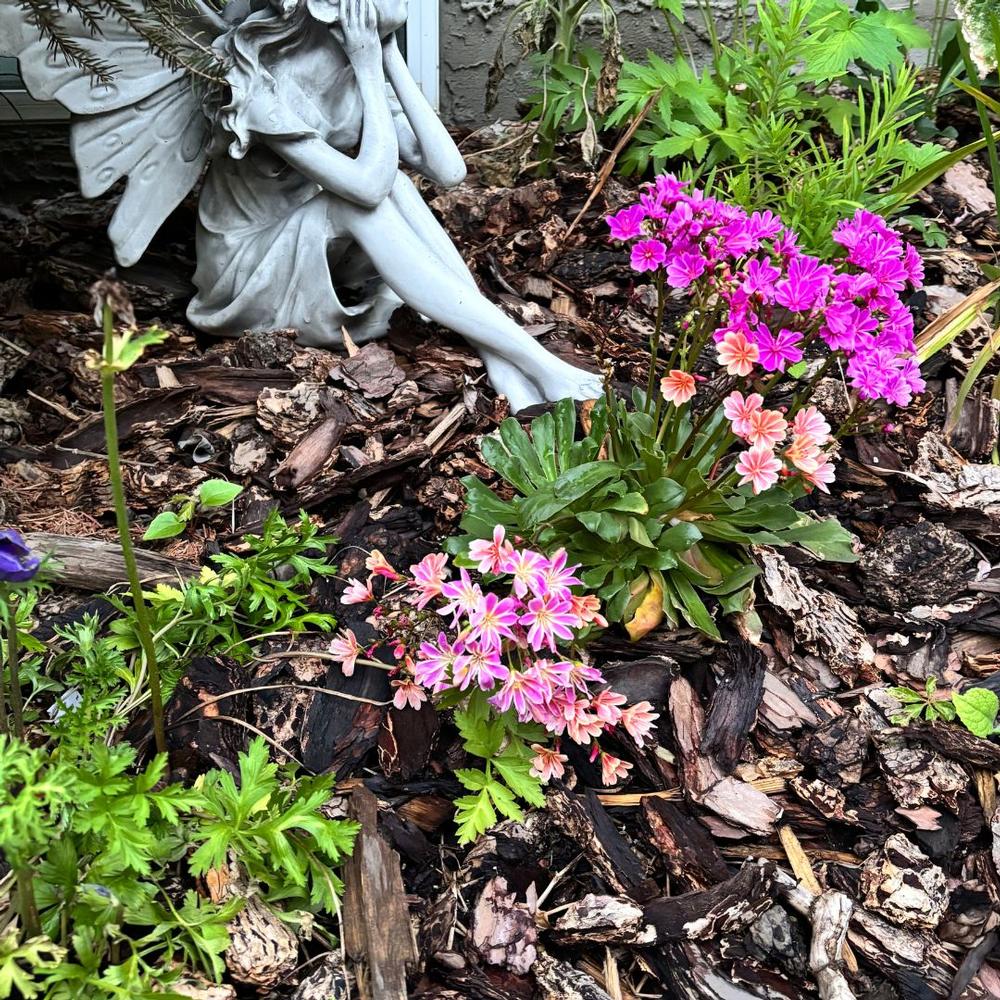
Compost and mulch are more familiar water-saving tools, but no less important. The organic matter in compost acts like a sponge, increasing the soil’s ability to retain moisture. Mulch can be used in both containers and garden beds to conserve water and suppress weeds.
While mulch offers many benefits, it’s important to be mindful during particularly wet seasons, as it can increase the risk of diseases such as botrytis and may encourage mold or slug activity.
Smarter Containers & Irrigation Tools
Water wicking containers
Water-wicking containers are a relatively new option that store water in a reservoir at the bottom of the container. Moisture is drawn upward through the soil, allowing plants to take up water as needed. This method significantly reduces water use, as it prevents overwatering and minimizes evaporation from the soil surface. Water-wicking containers can use up to 80% less water than traditional top watering.
Another benefit is that the soil surface stays dry, which lowers the risk of fungal diseases, mold, and mildew. It can also reduce weed germination, especially in large containers or water-wicking beds commonly used for vegetables. Depending on plant size and weather conditions, containers can often go two to four weeks without refilling, making them an excellent option if you’re travelling during the summer. It’s important to note that planters should still be top-watered at planting time to help roots establish (1-3 weeks) before relying on the reservoir. Make sure your self-watering containers have an overflow hole; without one, excess water can build up and lead to root rot. Based on our experience, we also recommend using self-wicking containers only in full-sun locations to reduce the risk of rot.
Watering strategies
There are several products that use a similar concept to water-wicking containers and can be installed directly in garden beds. These systems deliver water straight to the root zone, minimizing moisture lost to evaporation. While they may take a bit of time to set up initially, they can significantly reduce watering and maintenance for the rest of the season.
Deep Root Watering Spikes
These function much like water-wicking containers. A small water reservoir is attached to a spike that is inserted into the soil near the plant. Water is slowly released directly to the root zone as needed, and once the reservoir is empty, it can simply be refilled.
Ollas
Ollas are unglazed terracotta clay pots that are buried in the soil, leaving a few centimetres exposed at the surface. The pot is filled with water and covered. As the surrounding soil dries, moisture seeps out through the tiny pores in the clay, delivering water exactly where roots need it. Both deep root watering spikes and ollas keep the soil surface dry, which helps suppress weeds and reduce the risk of disease.
Soaker Hoses
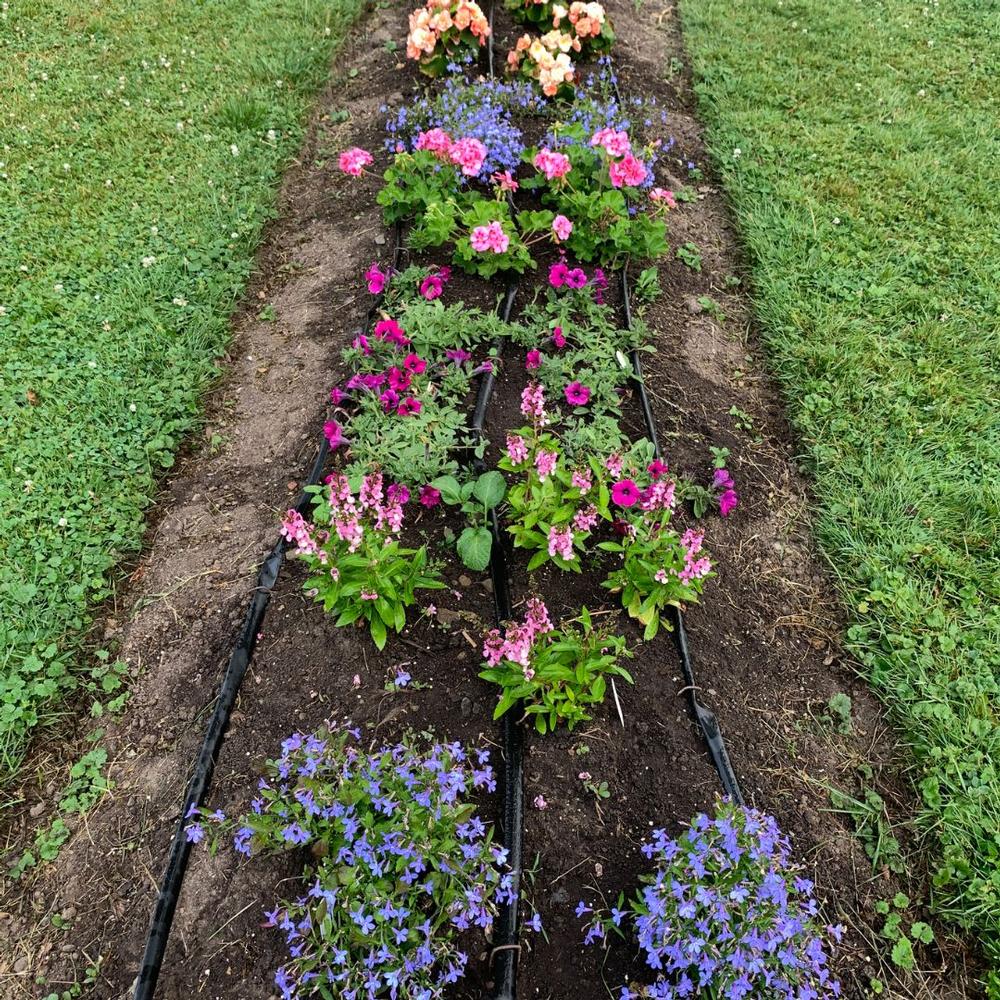
Soaker hoses reduce water use by slowly releasing moisture directly into the soil. This steady, gentle flow allows water to soak deeply into the ground without runoff and minimal evaporation from the surface, making them an efficient option for garden beds and hedges.
In addition to using water-efficient tools, watering technique also matters. Watering deeply and infrequently encourages roots to grow deeper into the soil, making plants more resilient during dry spells. Timing is equally important — watering between 5 a.m. and 10 a.m., when temperatures are cooler and wind is minimal, reduces water loss to evaporation and helps plants make the most of each watering.
Landscaping Adjustments That Save Water
Finally, let’s look at a few simple landscaping practices that can make a big difference when it comes to conserving water in your garden.
Plant Ground Covers & Plant Densely
When you plant ground covers or space plants closely together, they act as a natural shade for the soil. This helps keep moisture from evaporating too quickly — think of it as a “living mulch.” As an added bonus, ground covers break down over time, improving soil structure and adding nutrients back into the soil.
Hydrozoning
Hydrozoning is just a fancy way of saying: group plants with similar water needs together. This prevents you from overwatering drought-tolerant plants just to keep their thirstier neighbours alive, and makes watering more efficient overall.
Mow Higher
Leaving your grass a little taller (around 3 inches) helps shade the soil, reduces evaporation, and encourages deeper root growth. Deeper roots mean a healthier, more drought-resistant lawn.
Weed Regularly
Weeds compete with your plants for water and nutrients. Regular weeding isn’t just about keeping things looking tidy — it ensures that the water you use is going to the plants you actually want growing in your garden.
Annuals
Annuals tend to be higher water users, but there are a few ways to reduce how often they need watering. Planting them directly in garden beds rather than containers helps, as the ground holds moisture longer. You can also amend your soil with products like Sea Soil to improve water retention and support healthier root growth.
What Do You Do When the County Limits Your Water Usage?
Occasionally, counties will restrict outdoor water use during heat waves or periods of drought. If your plants are well established, they can usually handle reduced watering for a short time. But what if you’ve just completed a major landscaping project?
This past summer, I saw multiple new landscape installations with trees and shrubs looking stressed and crispy simply because they weren’t allowed enough water to establish properly. The good news is that there are a few steps you can take to help prevent this.
Apply for a Watering Exemption
In many cases, you can apply for a temporary watering exemption if you’ve recently completed landscaping. In Strathcona County, for example, you can contact the Utilities Department to ask about an exemption permit:
Call: 780-467-7785
Email: scutilities@strathcona.ca
Visit the Strathcona County website for current details and possible application forms
Not all counties offer exemption permits. In Edmonton, you’ll need to contact EPCOR directly to discuss your situation and see what options may be available:
Call 311 (or 780-442-5311 from outside Edmonton) for general inquiries
For commercial or large-volume water use, you may be directed to EPCOR’s drainage or water services department
In either case, make sure you have documentation showing that your landscaping was completed recently, as this is often required.
Use Alternative Water Sources
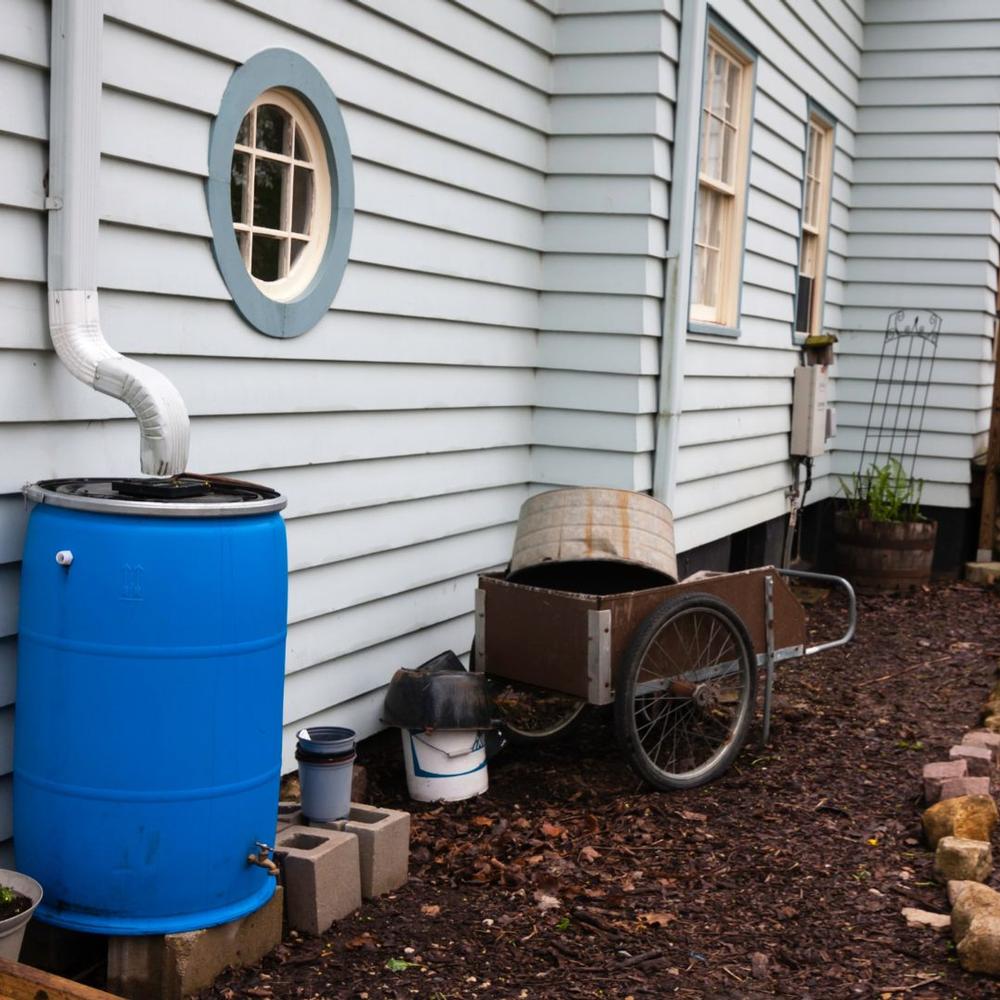
If watering restrictions are in place, installing rain barrels can help you store water for dry periods. You can also reuse household greywater — such as shower warm-up water or dishwater (as long as it’s free from harsh soaps) — to keep trees and shrubs alive during critical establishment periods.
We hope you find a few of these tips helpful as we eagerly approach the coming gardening season. As always, we’re here to help you choose the right plants and products and answer any questions along the way.